
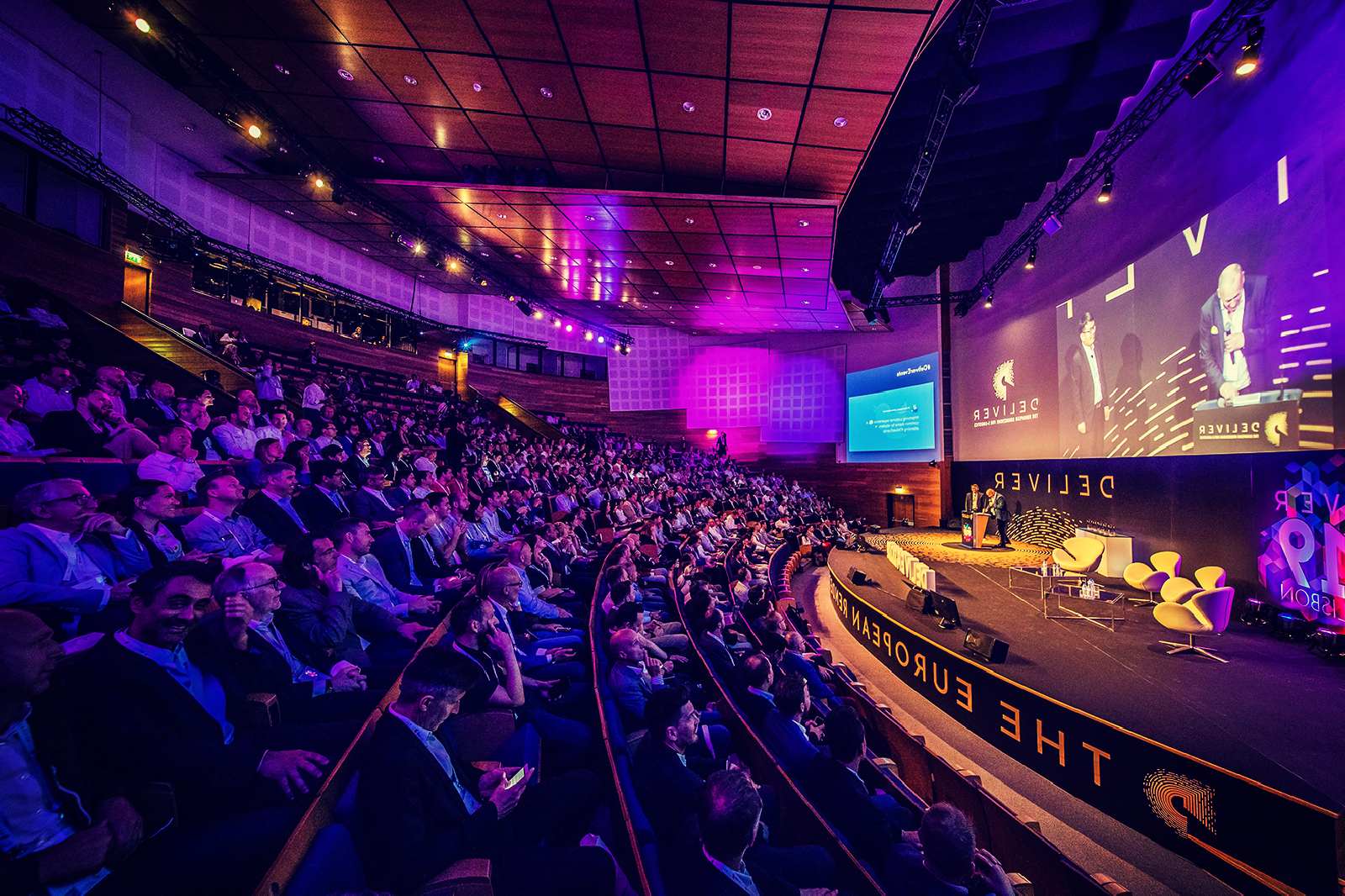

How AI can support faster supply chain execution
Supply chains need faster execution
Supply chain leaders are operating in an environment shaped by volatility, higher costs, disruption and increasing pressure to improve productivity.
The session from 4flow focused on a practical challenge: many supply chain organisations still manage execution through fragmented processes, manual coordination and siloed decision-making. When demand changes, transport is delayed, production shifts or suppliers underperform, teams often respond through meetings, messages and spreadsheets.
The result can be slower decision-making and less efficient responses. For supply chain leaders, the opportunity is to move towards more connected execution models that can sense change, assess impact and support faster action.
Technology should start with the business problem
A key theme from the session was that technology should not be introduced for its own sake.
Vineet Khanna framed supply chain capability around six areas: visibility, integration, prediction, optimisation, simulation and prescription. These capabilities can be applied across strategy, planning and execution, but they need to be connected to clear business needs.
That means asking what the business needs to compete, serve customers and manage cost before selecting tools. AI and orchestration technology can then be evaluated against specific use cases rather than broad transformation language.
Execution needs connected systems
The discussion positioned execution technology as a way to connect signals across the supply chain.
A more integrated approach can help teams understand changes in demand, supply, transport, inventory and customer impact. It can also support scenario analysis, recommended actions and execution steps across existing systems.
This is where control towers, orchestration layers and command-centre models become relevant. The value is not simply in seeing what has happened, but in connecting visibility to decisions and follow-through.
Operating models may need to change
The session also highlighted a broader organisational challenge. Many current supply chain processes and structures were designed before today’s technology capabilities existed.
Sequential handovers, manual cycles and repeated meetings may no longer be the best way to manage connected, real-time operations. If new technology is placed on top of old processes without redesign, the benefits can be limited.
For supply chain teams, this means transformation may require rethinking roles, decision rights, workflows and operating models — not only implementing software.
What this means for the DELIVER community
The session presented AI as a practical execution tool rather than a standalone solution.
For retailers and brands, the opportunity is to identify use cases where faster sensing, simulation and decision support can improve service, cost or resilience. For logistics and technology partners, the challenge is to connect AI-enabled tools to the realities of existing systems, teams and processes.
The strongest results are likely to come from focused implementation: starting with the business problem, proving value through specific use cases and adapting the operating model so that technology can change how decisions are made.