

How delivery can become a growth channel for retail brands
Delivery is part of the brand experience
For ecommerce retailers, delivery may be the only physical interaction a customer has with the brand. That makes the doorstep moment more than a logistics handoff. It can reinforce trust, damage loyalty or shape whether a customer returns.
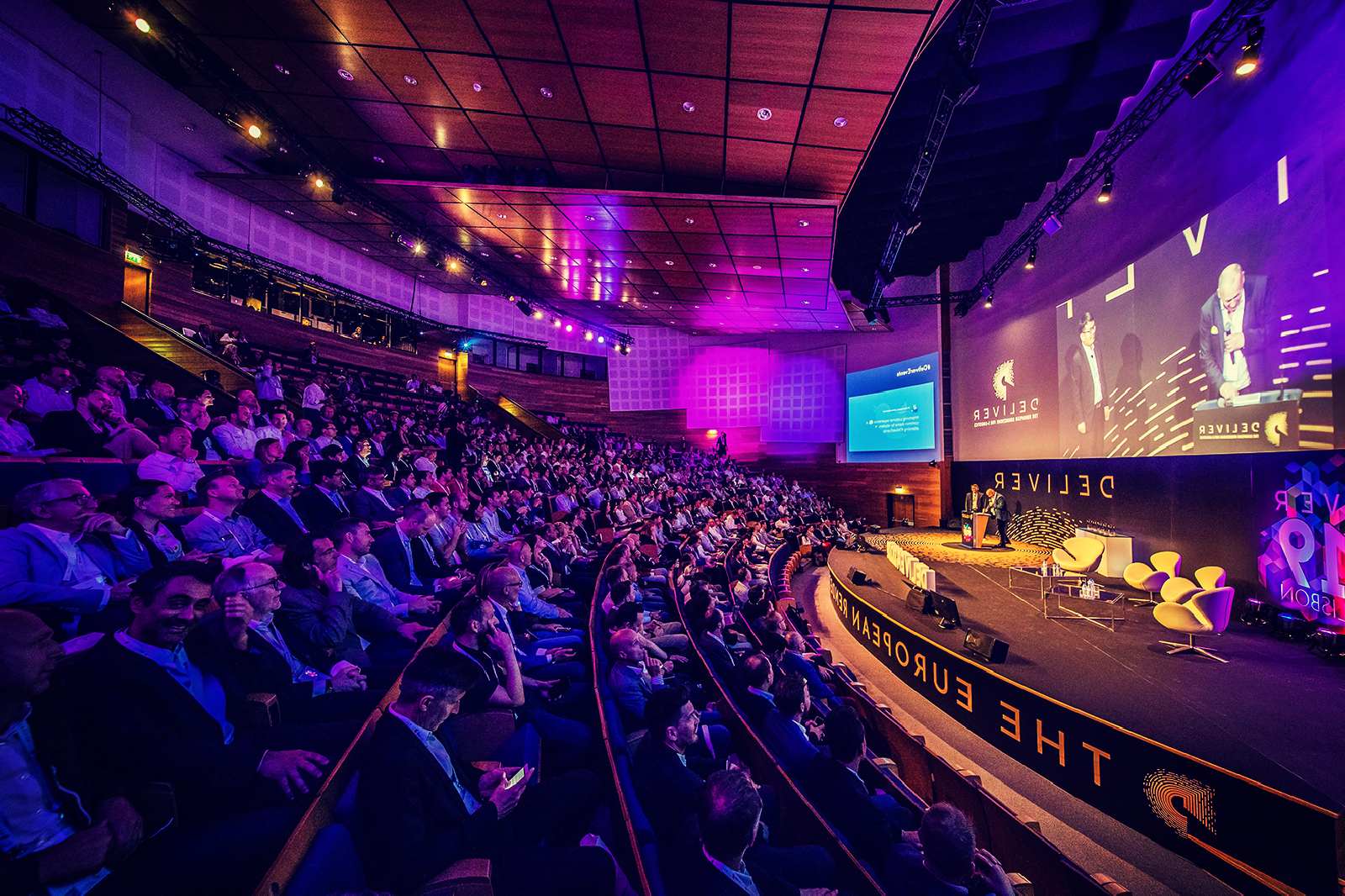
The session explored this through the relationship between HIVED and John Lewis Partnership, focusing on how delivery quality sits inside the wider customer promise. For established retailers with high levels of trust, customer expectations are especially demanding. A poor delivery experience can affect the perception of the brand, even when the product and checkout experience were strong.
This is why delivery needs to be considered as part of the commercial and customer experience agenda, not only as an operational cost.
Trust is difficult to build and easy to lose
John Lewis Partnership’s perspective highlighted the importance of trust in retail. Customers who have built a long relationship with a brand often expect a consistently high standard across every channel.
That expectation applies to delivery as much as it does to stores, customer service or product quality. Vehicle presentation, driver experience, communication, delivery success and issue resolution can all influence how the brand is perceived.
For retailers, the challenge is to measure delivery not only through cost or volume, but also through customer impact. Failed deliveries, poor communication and service issues can create hidden costs through customer care, lost loyalty and reduced trust.
Carrier partnerships need transparency
The discussion also emphasised the importance of honest, collaborative carrier relationships.
Retailers need partners who can share data, acknowledge problems early and work transparently on service improvement. Delivery quality depends on more than contractual performance; it requires clear communication, shared expectations and a willingness to solve problems together.
This kind of partnership model helps both sides improve. Retailers gain clearer visibility of service performance, while carriers receive the feedback needed to refine operations, technology and customer experience.
Sustainability is becoming part of delivery design
Sustainability was also discussed as part of the delivery proposition. HIVED’s electric delivery model reflects a broader shift towards lower-impact last mile operations.
The session acknowledged that not every customer will actively choose or pay more for sustainable delivery. However, sustainability can still become part of the default operating model when retailers and carriers design networks around lower-emission options.
For the DELIVER community, this points to an important direction: sustainable delivery needs to be practical, efficient and built into the service, rather than treated only as a customer-facing add-on.
What this means for the DELIVER community
The conversation positioned delivery as a strategic part of retail growth.
For retailers, the opportunity is to understand the full value and cost of delivery — including loyalty, customer care, failed delivery and brand trust. For logistics providers, the opportunity is to act as an extension of the retailer’s brand, not only as a delivery supplier.
The final mile is where operational execution meets customer perception. Brands that get it right can turn delivery into a stronger lever for trust, retention and customer experience.