
How eBay is making recommerce mainstream
Recommerce is becoming a growth strategy, not a side category
For years, recommerce sat on the edge of mainstream retail. It was practical, value-led and often sustainability-driven, but it was not always treated as a core growth channel.
That is changing quickly. Rising cost pressures, more conscious consumption and the search for individuality are all pushing pre-loved and resale models into the centre of fashion and retail strategy. For platforms such as eBay, the opportunity is no longer simply to facilitate second-hand transactions. It is to help shape a more trusted, desirable and commercially mature circular economy.
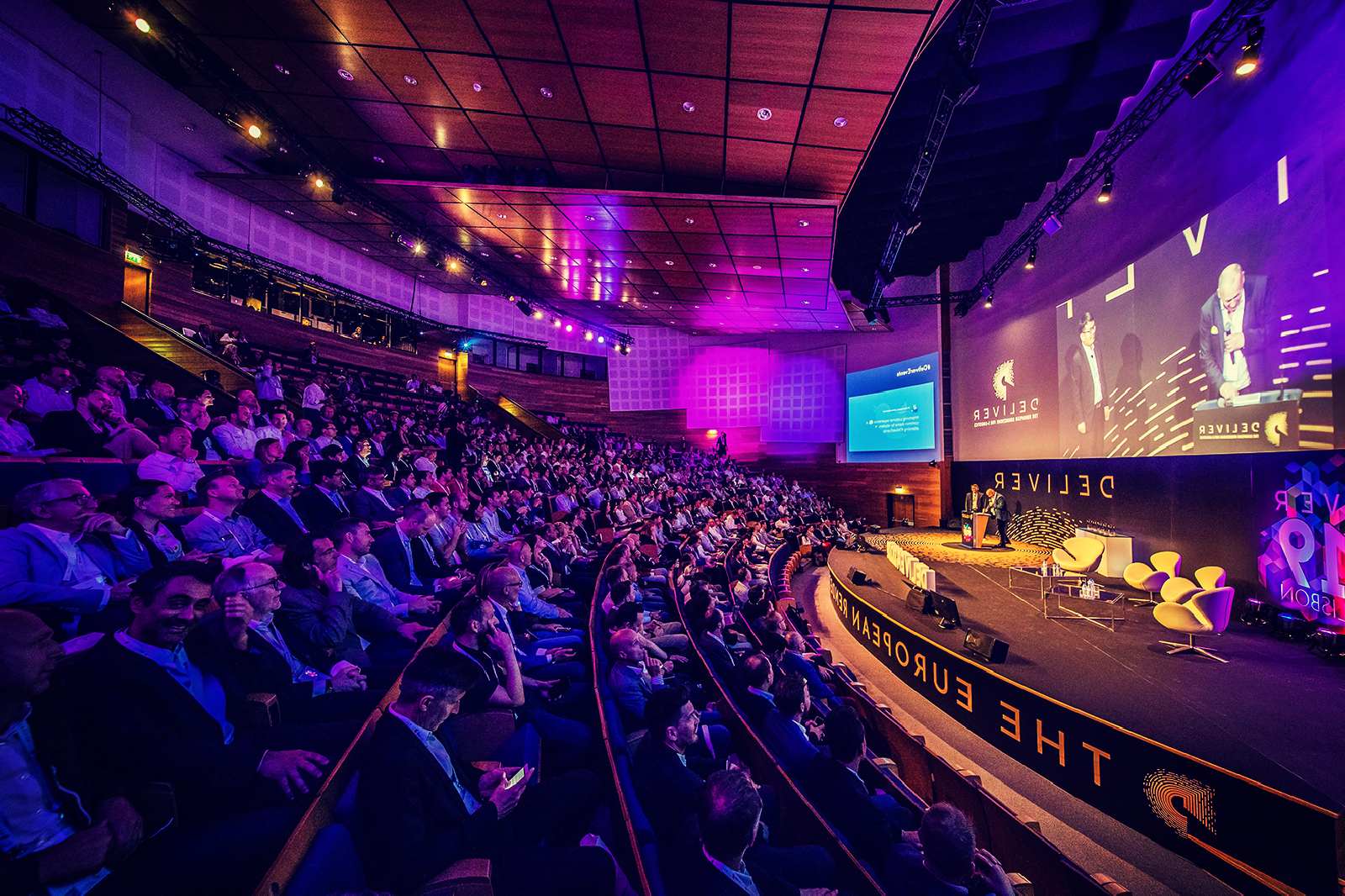
At DELIVER Europe 2026, Kirsty Keoghan joined Kate Hardcastle to explore how eBay is evolving its role in recommerce — from marketplace infrastructure to cultural relevance, brand enablement and customer trust.
Value is about more than price
The growth of recommerce is often linked to affordability, and that remains a powerful driver. Consumers are looking for value, whether they are buying school uniform, a one-off outfit, a collectible, a luxury handbag or a rare fashion piece.
But value is no longer only about spending less. It is also about access, identity, discovery and smarter consumption.
Marketplaces can offer inventory that traditional retail cannot easily replicate: vintage products, discontinued pieces, original designs, rare collectibles and fashion moments that return to relevance through culture. In this environment, recommerce becomes both a value channel and a discovery engine.
For the DELIVER community, this shift matters because it expands the role of retail platforms. The marketplace is not only where products are sold. It is where consumers explore identity, access scarcity and participate in more circular models of consumption.
Trust is the infrastructure of circular commerce
As recommerce scales, trust becomes the central operating requirement.
Consumers need confidence that the item is authentic, accurately described and protected by a reliable buying experience. Sellers need confidence that their goods are protected and that returns processes do not create unnecessary risk.
This is particularly important in luxury, fashion, watches, jewellery and collectibles, where condition, provenance and authenticity directly influence value. eBay’s authenticity guarantee model points to a broader reality for the market: circular commerce cannot grow on inventory alone. It needs infrastructure that reduces uncertainty.
Authentication, money-back guarantees, expert verification, seller protections and better listing standards all help convert second-hand shopping from a leap of faith into a trusted retail experience.
Culture is changing the perception of pre-loved
One of the most important changes in recommerce is psychological. The embarrassment once associated with buying second-hand has been replaced by pride, individuality and cultural relevance.
This is where eBay’s role has extended beyond the transaction. By placing pre-loved fashion into mainstream cultural moments — from high-profile styling collaborations to entertainment partnerships — the platform is helping reposition resale as aspirational rather than alternative.
That matters because sustainability alone is not always enough to change behaviour. Circular fashion becomes more powerful when it is also exciting, expressive and culturally visible.
For brands and retailers, the implication is clear: recommerce must be made easy, trusted and desirable. Consumers may care about sustainability, but they also respond to style, value, convenience and emotional reward.
Brands are entering recommerce with new partnership models
As recommerce matures, more brands are looking for ways to participate in circular fashion without building every capability themselves.
That creates a growing role for platform partnerships. Brands need support with take-back models, resale operations, logistics, authentication, listing, fulfilment and customer communication. They also need ways to make circularity commercially viable rather than treating it as a disconnected sustainability initiative.
eBay’s work with brand partners shows how established recommerce infrastructure can help brands move into resale with greater confidence. Instead of each brand solving the same operational problems in isolation, marketplace ecosystems can provide routes into circular commerce that are more scalable and customer-friendly.
For the wider retail ecosystem, this is a major opportunity. Recommerce requires coordination across technology, logistics, customer experience, authentication and fulfilment. That makes it a collaborative model, not simply a new sales channel.
AI and digital authentication will shape the next phase
The next phase of recommerce will depend on making the experience easier for both buyers and sellers.
AI has an important role to play in reducing friction: helping customers list products faster, improving search and discovery, supporting better product information and making marketplace journeys more intuitive. For customers with wardrobes full of unused value, easier listing tools can help unlock supply. For buyers, better discovery can make vast marketplace inventories feel more relevant and accessible.
Digital authentication and product traceability will also become increasingly important. If circularity is to be embedded into product lifecycles, retailers and brands need to think earlier — from design and product data through to resale, verification and end-of-life value.
This moves recommerce beyond resale alone. It connects it to product design, digital product passports, authentication, lifecycle management and long-term customer engagement.
What this means for the DELIVER community
The recommerce opportunity is no longer only about sustainability. It is about growth, trust, customer loyalty, inventory access, brand relevance and operational innovation.
For retailers and brands, the challenge is to make circular commerce commercially credible and easy for customers to adopt. For marketplaces, logistics partners and technology providers, the opportunity is to build the infrastructure that makes recommerce scalable.
The strongest models will be those that combine emotional appeal with operational confidence: the thrill of discovery, the reassurance of authentication, the convenience of simple selling and the credibility of trusted fulfilment.
As recommerce moves further into the mainstream, it will become an increasingly important part of how retail creates value — not only by selling new products, but by extending the life, visibility and commercial potential of the products already in circulation.