

Why Emma’s next chapter is about disciplined growth
Hypergrowth is not the same as readiness
For fast-growing ecommerce businesses, momentum can be intoxicating. Revenue rises, markets expand and customer demand validates the proposition. But growth can also mask fragility.
Emma’s journey captures one of the most important questions facing modern scaleups: what happens when a business grows faster than its operating model can support?
The answer is not simply more systems, more processes or more technology. The deeper challenge is mindset. Growth may create success in the first chapter of a business, but it does not guarantee resilience in the second. At scale, the organisation has to evolve from speed alone to discipline, trust and repeatable execution.
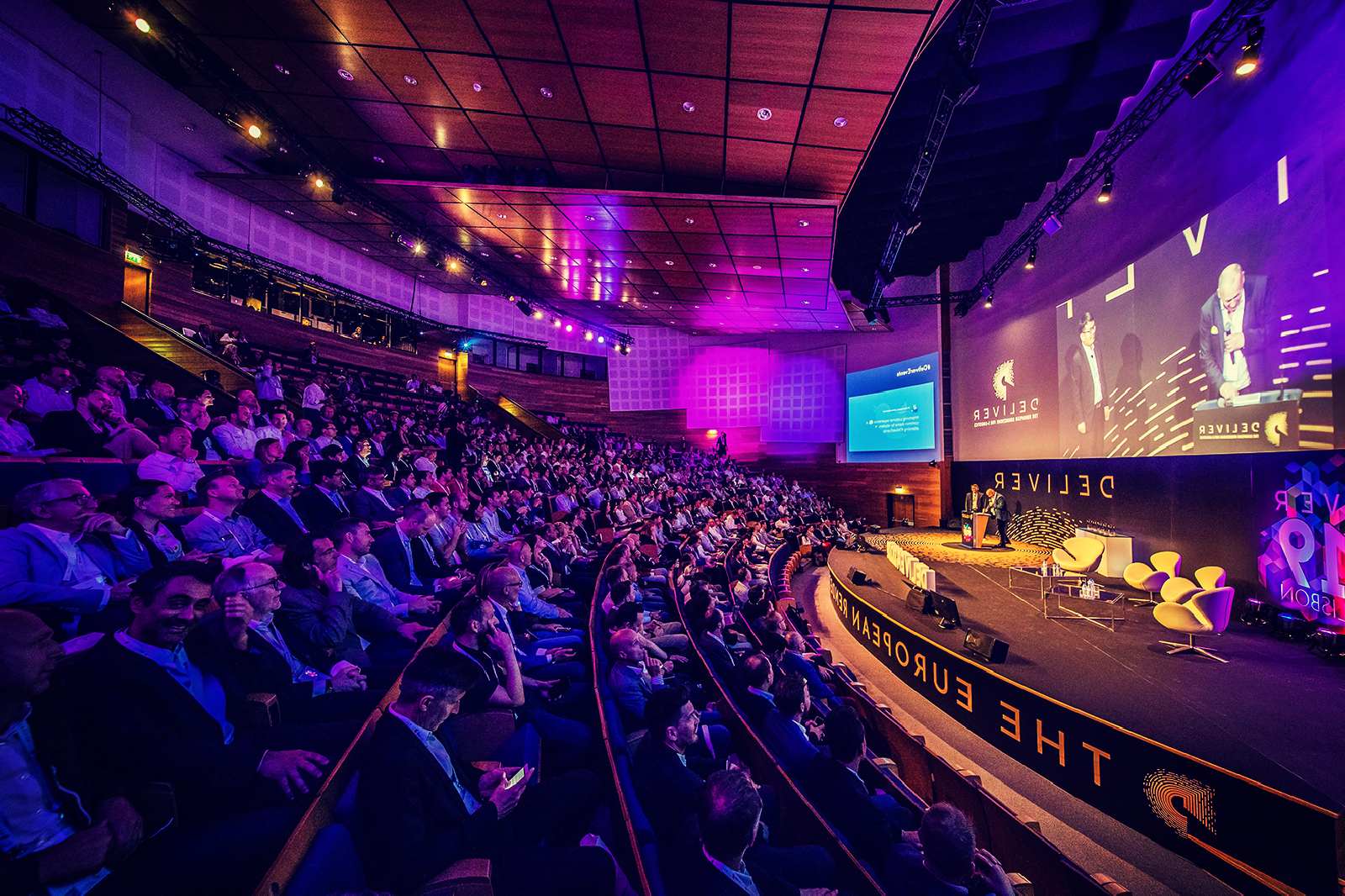
For the DELIVER Europe 2026 community, this is a critical leadership theme. Many retail and ecommerce businesses are no longer asking whether they can grow. They are asking whether they can grow without breaking the promise they make to customers.
The customer promise is the real measure of scale
Emma’s early model was built around the simplicity of direct-to-consumer commerce: a customer orders a mattress online, the product moves through one fulfilment channel and the brand owns a relatively clean customer journey.
That simplicity changes as the business matures.
A broader retail footprint, wholesale relationships, owned stores, franchise stores and international operations create a very different level of supply chain complexity. The operating model must support more partners, more routes to market, more expectations and more consequences when things go wrong.
This is where the customer promise becomes the real test of scale. It is not enough to keep selling if delivery delays, poor communication or operational inconsistency begin to damage trust. Sustainable growth depends on saying what can be delivered — and then delivering it consistently.
The shift from pleasing customers to promising customers is subtle but powerful. It replaces overcommitment with credibility.
Supply chain has become the engine of the business
One of the clearest implications from Emma’s transformation is the changing role of supply chain.
For digital-native brands, supply chain can initially feel like an operational function that supports growth in the background. But as complexity increases, it becomes the engine of the business. Product, marketing and brand can create demand, but fulfilment determines whether that demand becomes loyalty or frustration.
That requires capabilities that many high-growth businesses do not build early enough: demand forecasting, supply planning, network design, inventory discipline, logistics governance and stronger partner management.
The lesson for retail leaders is direct. Supply chain cannot be treated only as a cost centre. It is a strategic capability that shapes customer experience, profitability and brand trust.
From transactional suppliers to strategic partners
As businesses mature, their relationships with logistics, warehouse and production partners also need to mature.
A purely transactional supplier model may work when speed and flexibility are the main priorities. But omnichannel growth requires deeper collaboration. Retail partners depend on inventory availability. Franchise and wholesale partners depend on service levels. Logistics providers need visibility and commitment. Production partners need shared planning.
This creates a shift from vendor management to partnership.
For Emma, that means building longer-term relationships with partners who are part of the company’s future operating model. Price remains important, but it cannot be the only measure of value. Service quality, mutual dependency, trust and the ability to build together become essential.
For the DELIVER community, this reflects a broader market shift. The supply chain ecosystem is becoming more connected, more interdependent and more strategic. The strongest partnerships will be those built around shared execution, not short-term negotiation alone.
AI needs operational foundations
AI is becoming unavoidable in retail and supply chain conversations, but Emma’s experience points to a grounded reality: AI can only amplify the quality of the operating model underneath it.
If inputs are manual, inconsistent or fragmented, AI does not solve the problem. It scales the problem.
That makes operational fundamentals more important, not less. Clean data, reliable forecasting, consistent processes, disciplined planning and strong human expertise all become the foundation for meaningful AI adoption.
The opportunity is significant. AI can reduce repetitive work, support faster decisions and make complex operations more efficient. But it does not replace the need for capable people or robust supply chain design. In complex operational environments, human judgement remains essential.
For retail and ecommerce businesses, the message is clear: AI strategy must begin with operational readiness.
Trust is a leadership capability
The most difficult part of transformation is rarely the process redesign itself. It is rebuilding belief inside the organisation.
When a company has moved through hypergrowth, pressure and operational strain, teams need more than a new plan. They need consistency. They need honesty. They need leadership behaviour that proves the organisation will not fall back into old patterns when things become difficult.
This makes trust a practical leadership capability.
At Emma, the next chapter depends on helping teams believe that structure does not mean losing the company’s entrepreneurial identity. Planning, forecasting and operational discipline are not the opposite of speed. Done well, they create a stronger and more scalable version of the business.
That is an important message for any scaleup entering a more mature phase. The goal is not to become slow or corporate. The goal is to keep the best parts of the original culture while building the capabilities required for sustainable success.
What this means for the DELIVER community
Emma’s story reflects a wider inflection point across retail, ecommerce and supply chain.
The first chapter of growth is often powered by speed, energy and opportunity. The second chapter is harder. It requires discipline, profitability, trust, customer honesty and stronger operational foundations.
For retailers and brands, the challenge is to design supply chains that can support growth without compromising customer experience. For logistics and technology partners, the opportunity is to help businesses move from reactive execution to resilient operating models.
The businesses that win the next phase will not be those that chase growth alone. They will be those that can keep their promises at scale.