
How fashion warehouses can prepare for 2030
Fashion logistics is facing structural pressure
Fashion fulfilment is being reshaped by several forces at once: rising labour costs, limited labour availability, warehouse space constraints, ecommerce growth and high return volumes.
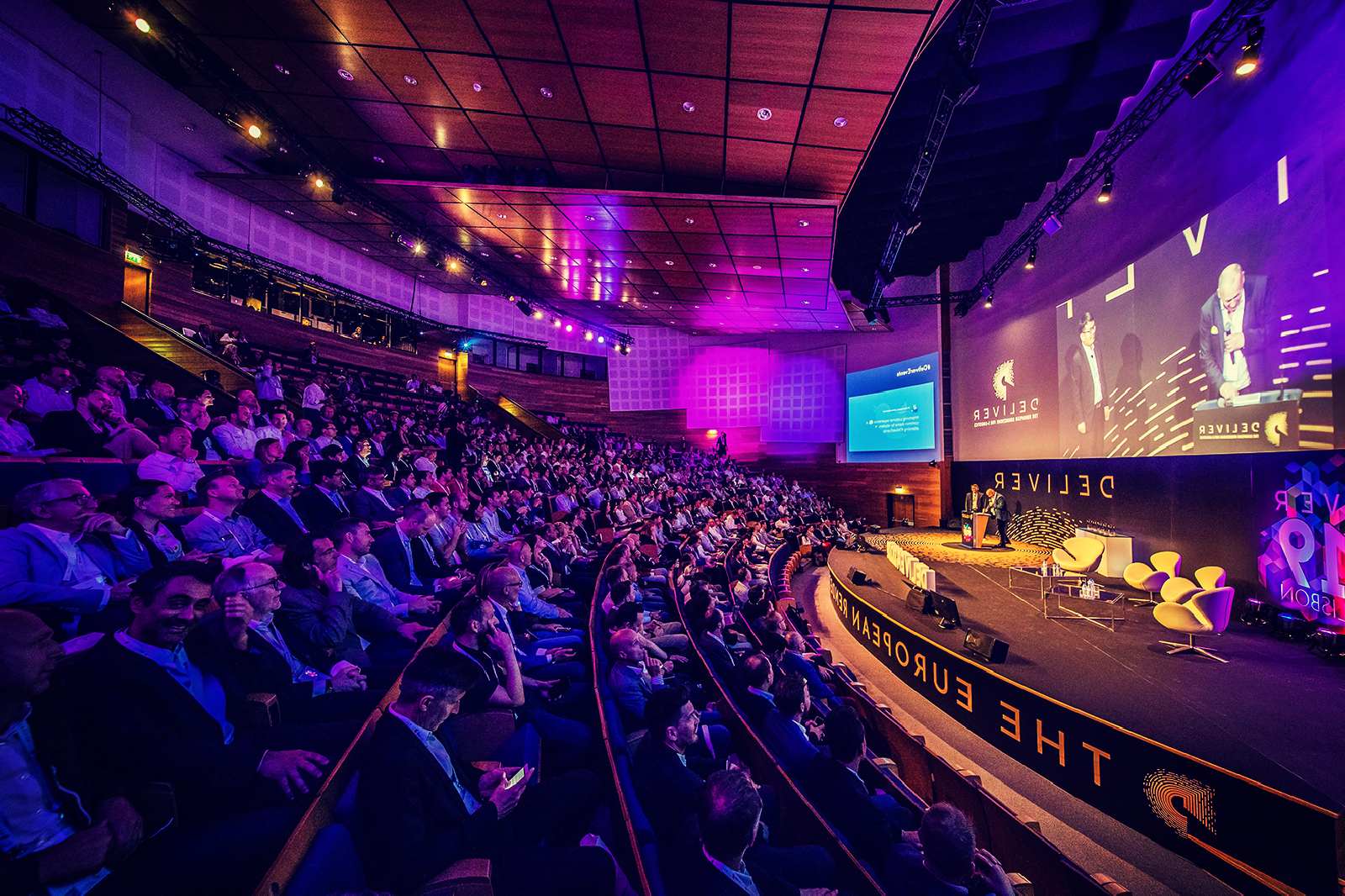
Wouter Loomans’ session at DELIVER Europe 2026 focused on garment-on-hanger operations, a specialised area within fashion logistics that still represents a meaningful share of many warehouse workflows.
The central message was clear: operations designed for today may not be ready for 2030. As labour becomes harder to source and buildings become harder to adapt, fashion logistics teams need to think more carefully about productivity, space and flexibility.
Labour efficiency is becoming critical
Manual garment-on-hanger operations can involve significant walking, handling and repetitive movement.
The session highlighted how automation can reduce unnecessary operator movement and improve productivity. In a manual operation, workers may spend a large share of their time walking to retrieve items. By contrast, semi-automated systems such as carousel picking can bring garments closer to the operator and support higher throughput per person.
For retailers and 3PLs, this matters because labour is not only becoming more expensive. It is also becoming less available.
Space is harder to solve with new buildings
Warehouse space was another major theme.
In many European markets, suitable logistics space is becoming harder to find. New development can be constrained, while older buildings may not have been designed for current ecommerce, returns and omnichannel requirements.
That makes adaptable automation increasingly important. Rather than assuming every operation can move into a new site, retailers and logistics providers may need to improve performance inside existing buildings.
Returns and circular fashion add complexity
Fashion ecommerce also carries high return volumes, and circular models such as rental, resale and second-hand fashion add further operational complexity.
These models require flexible processes that can manage inbound returns, inspection, storage, picking, consolidation and redistribution. Garment-on-hanger operations need to adapt not only to higher volume, but also to more varied flows and faster collection cycles.
For fashion retailers, this means automation should be evaluated not only against current throughput, but against future operating models.
What this means for the DELIVER community
The Planiform session positioned automation as a practical response to structural change in fashion logistics.
For retailers and brands, the opportunity is to assess where labour, space and returns are becoming constraints. For 3PLs, the challenge is to offer flexible, scalable operations that can support different customer models. For technology providers, the value lies in automation that can work within real warehouse conditions, including brownfield environments.
By 2030, the strongest fashion fulfilment operations will likely be those that can handle changing volumes, limited labour and evolving circular commerce models without losing efficiency.