
What ecommerce leaders need to prepare for next
Ecommerce foresight starts with better data
Retailers do not need a crystal ball to think more seriously about the future. They need structured ways to interpret the signals already visible in consumer behaviour, technology adoption and market data.
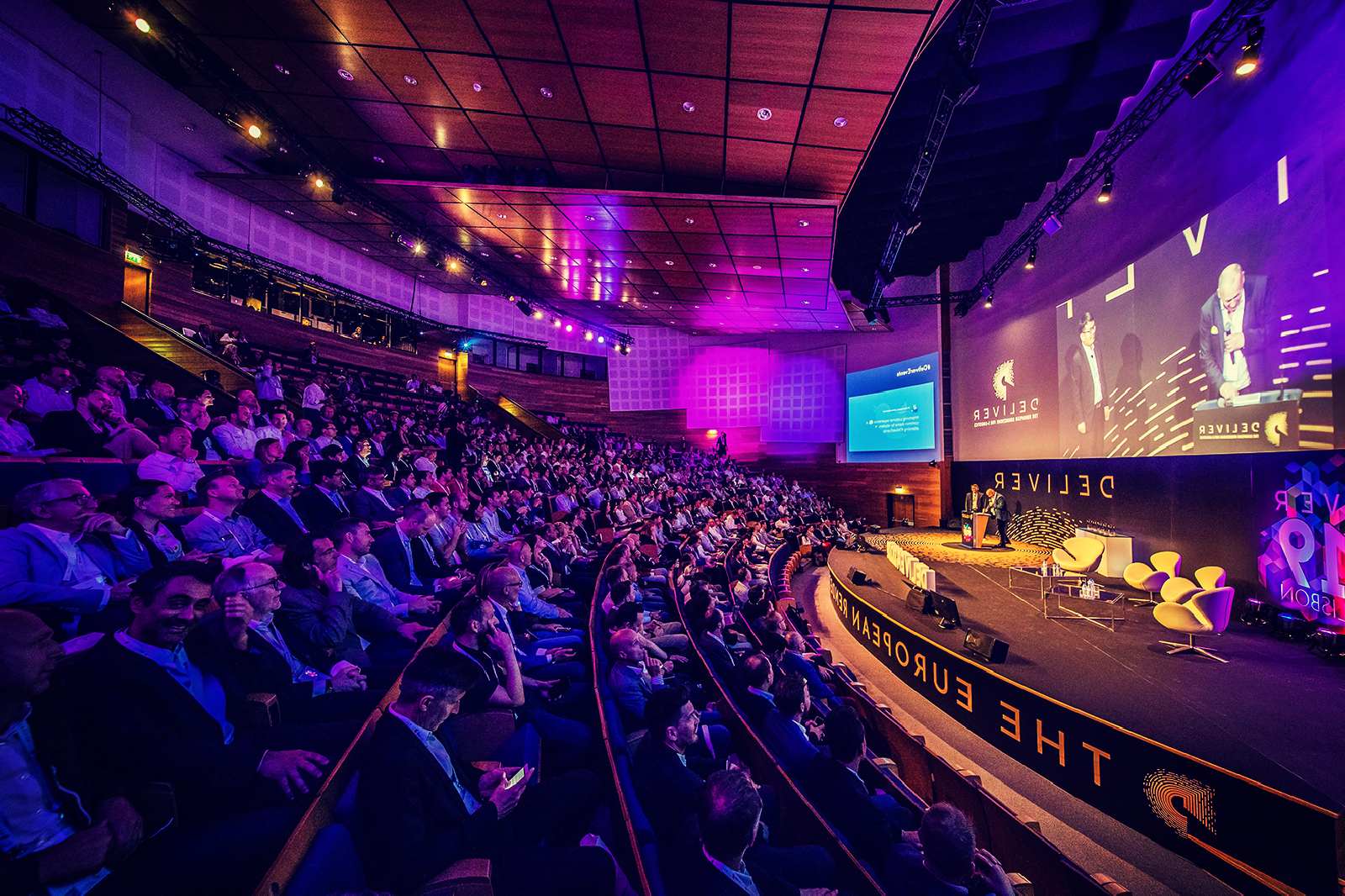
Tom Cheesewright’s session at DELIVER Europe 2026 focused on how ecommerce leaders can translate current research into practical foresight. Rather than treating the future as a distant scenario, he looked at the trends that could affect retail and logistics over the next few years.
The central message was that ecommerce change is not driven by technology alone. It happens when new tools intersect with existing pressure points: convenience, cost, sustainability, trust, payment friction and delivery reliability.
AI could change the shape of online shopping
AI is already influencing how consumers research, compare and make decisions. The next stage may be more significant: consumers allowing AI agents to make or complete purchases on their behalf.
That shift could challenge the traditional ecommerce model. If an AI agent is doing the buying, it may not interact with a website in the same way a human shopper does. It may prioritise structured data, availability, price, delivery promise and machine-readable product information over imagery, branding or navigation.
This creates the possibility of a more invisible buying journey, where commerce happens through systems and APIs rather than through a conventional storefront. For retailers, this raises a practical question: are their ecommerce platforms ready to be understood by both people and machines?
Influence is becoming more complex
The session also explored changing patterns of influence. Influencers still have reach, but reach does not always mean impact.
Consumers now have more information sources, more comparison tools and more reasons to question paid endorsement. Peer content, reviews, promotional offers and discounts can all play a major role in purchasing decisions.
For brands, this suggests that marketing effectiveness needs to be measured carefully. It is not enough to know who can reach an audience. Retailers also need to understand who or what actually changes behaviour.
Circular marketplaces are gaining strength
Cost-of-living pressure and sustainability are also intersecting in new ways.
Second-hand, refurbished and resale marketplaces are reducing friction around circular behaviour. Consumers can make choices that feel more sustainable while also freeing up cash or accessing products at lower prices.
This matters because stated sustainability intent is often fragile. If a sustainable behaviour is expensive, difficult or inconvenient, many consumers may abandon it. Marketplaces work because they make circularity easier, more familiar and more practical.
For ecommerce leaders, the opportunity is to understand how resale and pre-owned behaviours fit into broader customer expectations around value, convenience and ethics.
Checkout and delivery still create friction
Despite major improvements in digital shopping, ecommerce still faces familiar points of friction.
Payment choice remains one of them. Consumers are habitual, and missing payment options can be enough to interrupt a purchase. As more payment methods emerge, retailers need to balance operational complexity with customer preference.
Delivery is another major risk point. The digital journey may be highly optimised, but it still has to become a physical experience. If customers lack confidence that an item will arrive when expected, in the right condition and with clear communication, the sale can still be lost.
For the DELIVER community, this is a crucial reminder. The future of ecommerce may be shaped by AI and new interfaces, but delivery execution will remain central to trust.
What this means for the DELIVER community
The future of ecommerce will be shaped by both digital intelligence and physical reliability.
Retailers need to prepare for AI-enabled buying journeys, more complex influence models, circular marketplaces, emerging payment expectations and continued pressure around delivery experience. Logistics partners will play a key role because the final fulfilment moment remains one of the most tangible expressions of the customer promise.
The businesses best positioned for the next phase will be those that use foresight actively: reading the signals early, testing assumptions and preparing their systems before consumer behaviour moves faster than they do.