

Why parcel networks need to move from scale to certainty
Delivery performance is judged in the exception
Parcel delivery networks have spent decades improving operational performance through scale, capacity, process and fleet investment. Those foundations remain important, but they may no longer be enough for modern ecommerce expectations.
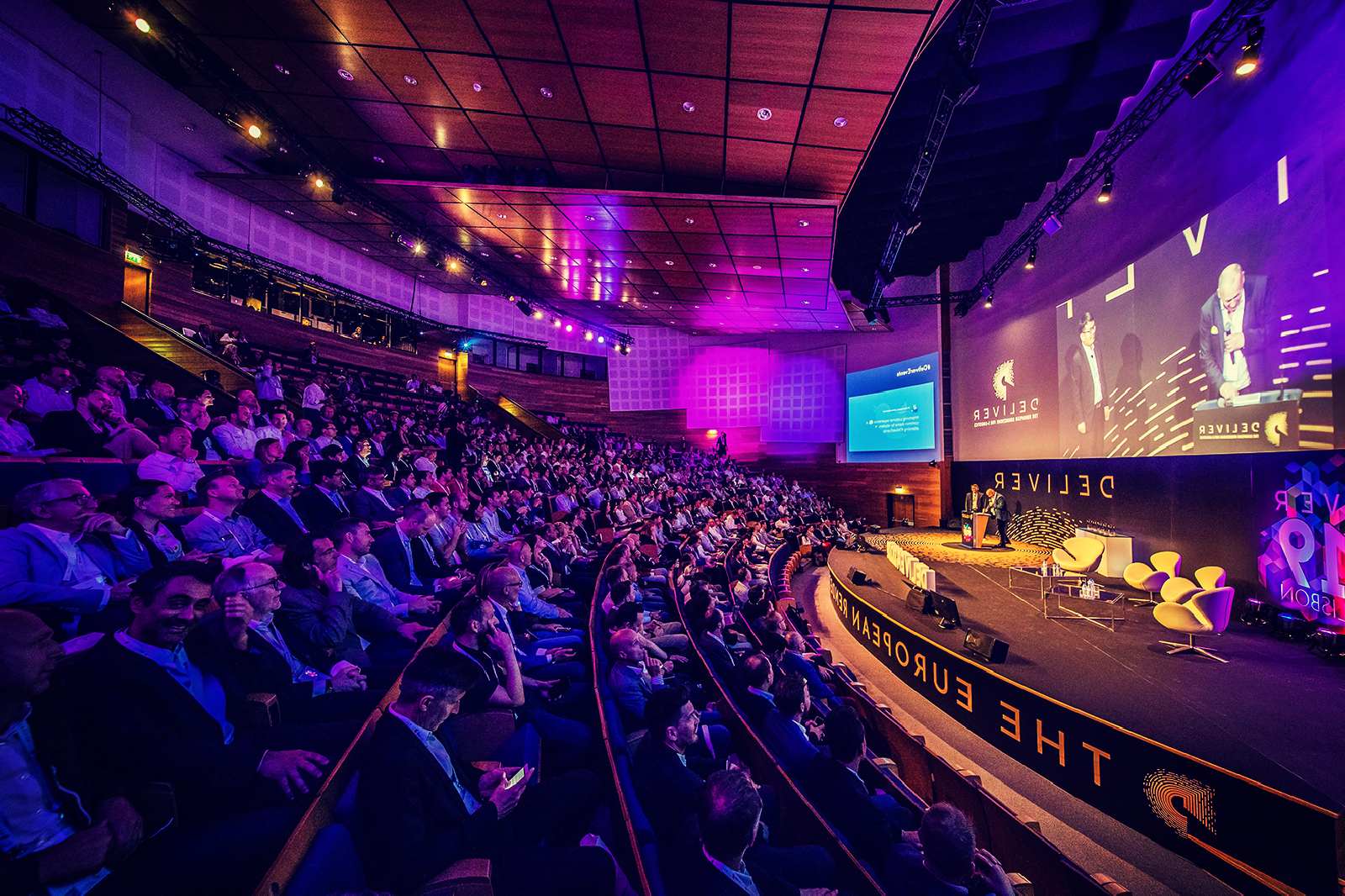
Luke Batten’s session at DELIVER Europe 2026 focused on a central challenge: customers do not experience the network average. They experience the parcel they are waiting for.
A carrier may hit its overall service levels, but if one customer’s parcel is late, missing or unclear, that customer lives in the exception. For retailers, those exceptions can drive customer contact, frustration and lost loyalty.
WISMO remains a costly signal
“Where is my order?” remains one of the most persistent sources of customer service pressure in ecommerce.
The session positioned WISMO not simply as a customer care issue, but as a symptom of uncertainty. When customers do not know where their parcel is, when it will arrive or whether something has gone wrong, they contact the retailer.
That creates cost for the retailer, pressure for the carrier and friction for the customer. It also shows why delivery certainty matters. The goal is not only to deliver faster, but to reduce the moments where customers feel uninformed or unsupported.
Intelligent networks depend on real-time signals
The session introduced the idea of intelligent delivery networks that can detect issues earlier and respond before the customer feels the impact.
This starts with data. Parcel scans, traffic conditions, courier behaviour, delivery events and route signals all create information that can help identify when something is drifting off plan.
The next step is decision-making. Rather than waiting for a customer complaint, a manual intervention or a late-stage escalation, an intelligent system can detect a missing signal, assess the parcel context and trigger the most appropriate recovery action.
In this model, performance improvement comes from earlier intervention at parcel level.
The opportunity is to improve the worst day
Traditional logistics performance often focuses on averages. But the customer experience is shaped most sharply when something goes wrong.
The session argued that the next step is to engineer better worst-day performance. That means building networks that can still recover when weather, traffic, operational disruption or process drift creates pressure.
For retailers, this matters because customer trust can be lost quickly through one poor delivery moment. For carriers, the opportunity is to reduce exceptions before they become visible failures.
What this means for the DELIVER community
The shift described in the session is from operational excellence alone towards proactive delivery intelligence.
For retailers, the question is how carrier performance is assessed beyond average SLA reporting. For logistics providers, the challenge is to use data and automation to make better parcel-level decisions. For technology partners, the opportunity is to connect signals, workflows and recovery actions in real time.
The future of last mile performance may not be defined by bigger networks alone. It may be defined by networks that can identify risk earlier, act faster and give customers more confidence in the delivery promise.