
How out-of-home delivery can help retailers recover lost customers
Out-of-home is becoming part of retail experience
Out-of-home delivery is no longer only a carrier infrastructure question. It is increasingly part of how retailers shape convenience, returns, store visits and customer loyalty.
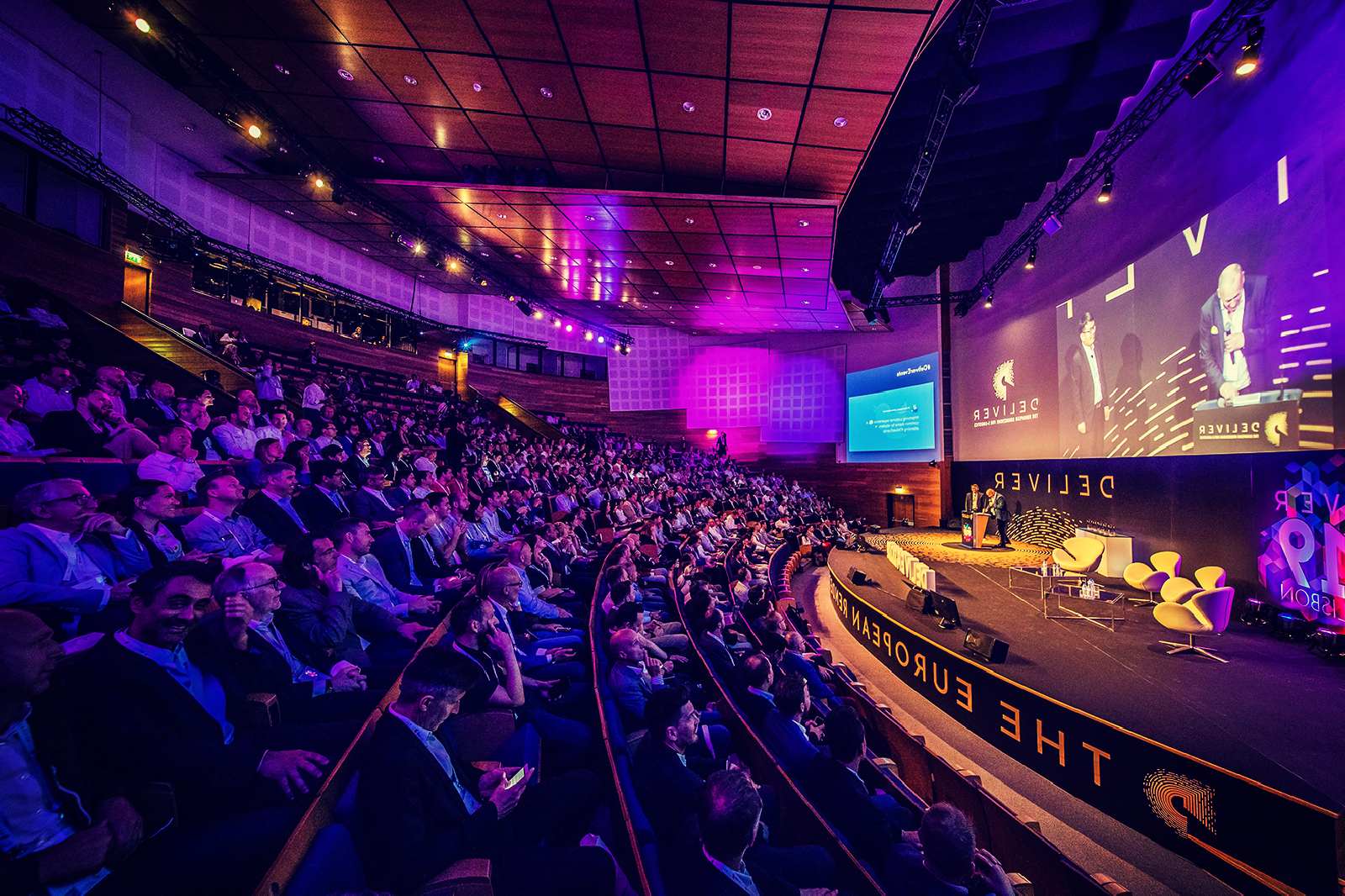
Jacek Powałka’s session at DELIVER Europe 2026 focused on how lockers, PUDO points and adjacent smart logistics solutions can help retailers recover customer engagement. The wider point was that delivery experience influences whether customers shop again, how they return items and how they interact with physical stores.
For retailers, this makes out-of-home a strategic customer experience lever, not just a delivery option.
Lockers and PUDO can work together
The session positioned lockers and PUDO points as complementary rather than competing formats.
Parcel lockers can offer a more automated, frictionless experience, especially where customers want speed, flexibility and no queue. PUDO locations can add flexibility during peak periods and provide broader reach where automated locker density is still developing.
The right model depends on market maturity, customer behaviour, store network and operational goals. In some markets, lockers may become the preferred experience as density increases. In others, hybrid models may remain more practical.
Returns are a key adoption driver
Returns were presented as one of the strongest use cases for automated out-of-home solutions.
Customers want returns to be simple, fast and convenient. Retailers want to reduce friction, queues and operational handling. Automated returns infrastructure can help by creating a clear, self-service process that supports both sides.
This matters because returns are often where customer frustration becomes visible. A smooth return can protect loyalty, while a poor return experience can damage the customer relationship even after a successful sale.
Relevance creates stronger locker economics
The session also explored the importance of making locker networks more relevant.
A locker network can become more useful when it supports multiple services, not only standard parcel pickup. Examples included click and collect, returns, digital signage, grocery collection, vending-style services, smart city hubs and battery swapping for micromobility.
This broader relevance can improve customer adoption and strengthen the commercial model. The more reasons customers have to use a location, the more valuable that infrastructure becomes.
What this means for the DELIVER community
Out-of-home delivery is moving towards a more flexible, service-led model.
For retailers, the opportunity is to use lockers and collection points to improve convenience, reduce queues, support returns and create new reasons for customers to engage with stores. For logistics providers, the challenge is to build networks that are dense, reliable and operationally efficient. For technology and infrastructure partners, the opportunity is to design solutions that fit specific market needs rather than assuming one format works everywhere.
The future of out-of-home will likely be shaped by relevance: locations and solutions that solve more customer problems will be better placed to drive adoption.