

How retailers can turn overstock and returns into second-life revenue
Second-life inventory is becoming a commercial priority
Overstock, customer returns and post-rental assets are common challenges across retail, ecommerce and leasing models. When these goods do not return to normal sales channels, they can create storage pressure, margin loss and waste.
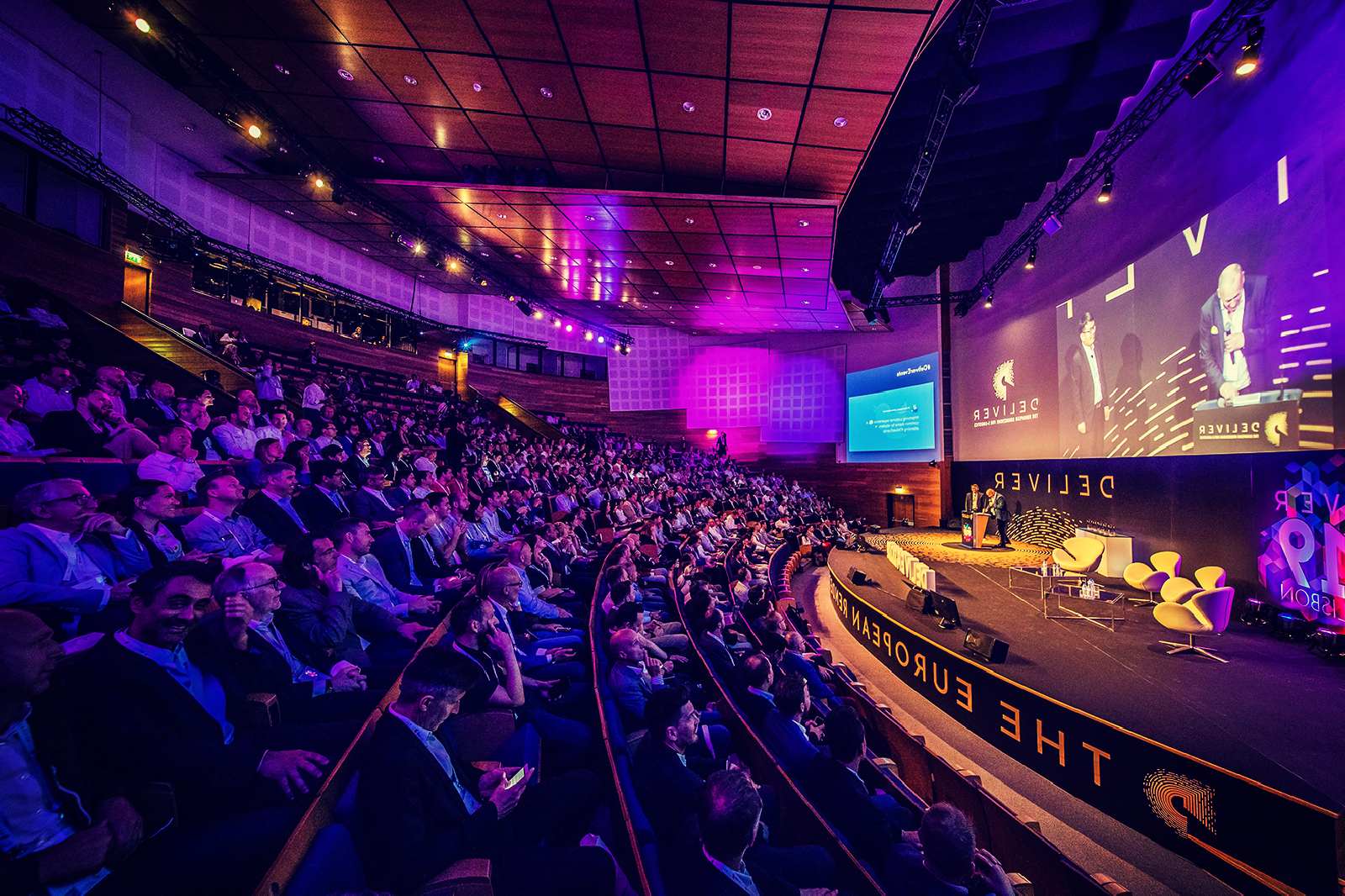
Stocklear’s session at DELIVER Europe 2026 focused on how these inventory flows can be treated more systematically. Rather than relying on ad hoc buyer relationships or last-minute disposal decisions, retailers can build repeatable recommerce processes around stock valuation, resale and time to cash.
The central message was that second-life inventory should not be treated only as a problem to clear. In the right structure, it can become a recurring revenue stream.
The market remains fragmented
The discussion described the second-life market as fragmented, with sellers and buyers often struggling to connect efficiently.
On one side are retailers, brands and leasing companies that own excess or returned stock. On the other are professional buyers, refurbishers, discounters and second-life sellers looking for supply. The challenge is creating the transparency, trust and process needed for those two sides to transact consistently.
This is particularly important when inventory quality varies. New goods, damaged items, customer returns, non-functional products and end-of-lease assets all require different handling and different buyer audiences.
Valuation is the first step
A recurring theme in the session was the importance of understanding stock value before deciding what to do with it.
Inventory value depends on product category, quality condition, location and resale market demand. A product that has limited value in one market may still have demand elsewhere, while non-functional products may still hold value for refurbishment or parts.
Clearer valuation helps retailers and asset owners move from uncertainty to decision-making. It also helps internal teams build the case for treating recommerce as a structured process rather than a one-off operational fix.
Speed matters when stock is losing value
Time to cash was presented as a key operational metric.
Excess and returned inventory can lose value quickly, especially in categories affected by seasonality, product cycles or technology change. A process that takes months may reduce the commercial benefit, even if the eventual sale price appears attractive.
For retailers, this creates a balance between value recovery, operational effort and speed. The objective is not only to achieve the highest possible price, but to create a process that is regular, efficient and commercially meaningful.
What this means for the DELIVER community
The session highlighted recommerce as both a commercial and sustainability topic.
For retailers and brands, the opportunity is to turn returns and overstock into a more structured value recovery process. For leasing companies, end-of-life assets can be assessed and routed into second-life markets more systematically. For supply chain teams, the challenge is to manage these flows without adding unnecessary operational complexity.
As retail continues to focus on margin protection, circularity and waste reduction, second-life inventory will become an increasingly important part of the operating model.