
How physical stores are becoming media and experience platforms
The store is no longer only a point of transaction
Physical retail is being redefined.
For years, ecommerce has trained customers to expect speed, convenience and near-instant access. At the same time, social media has changed how people consume content, make decisions and engage with brands. Shoppers now arrive with shorter attention spans, higher expectations and less tolerance for experiences that feel static or purely transactional.
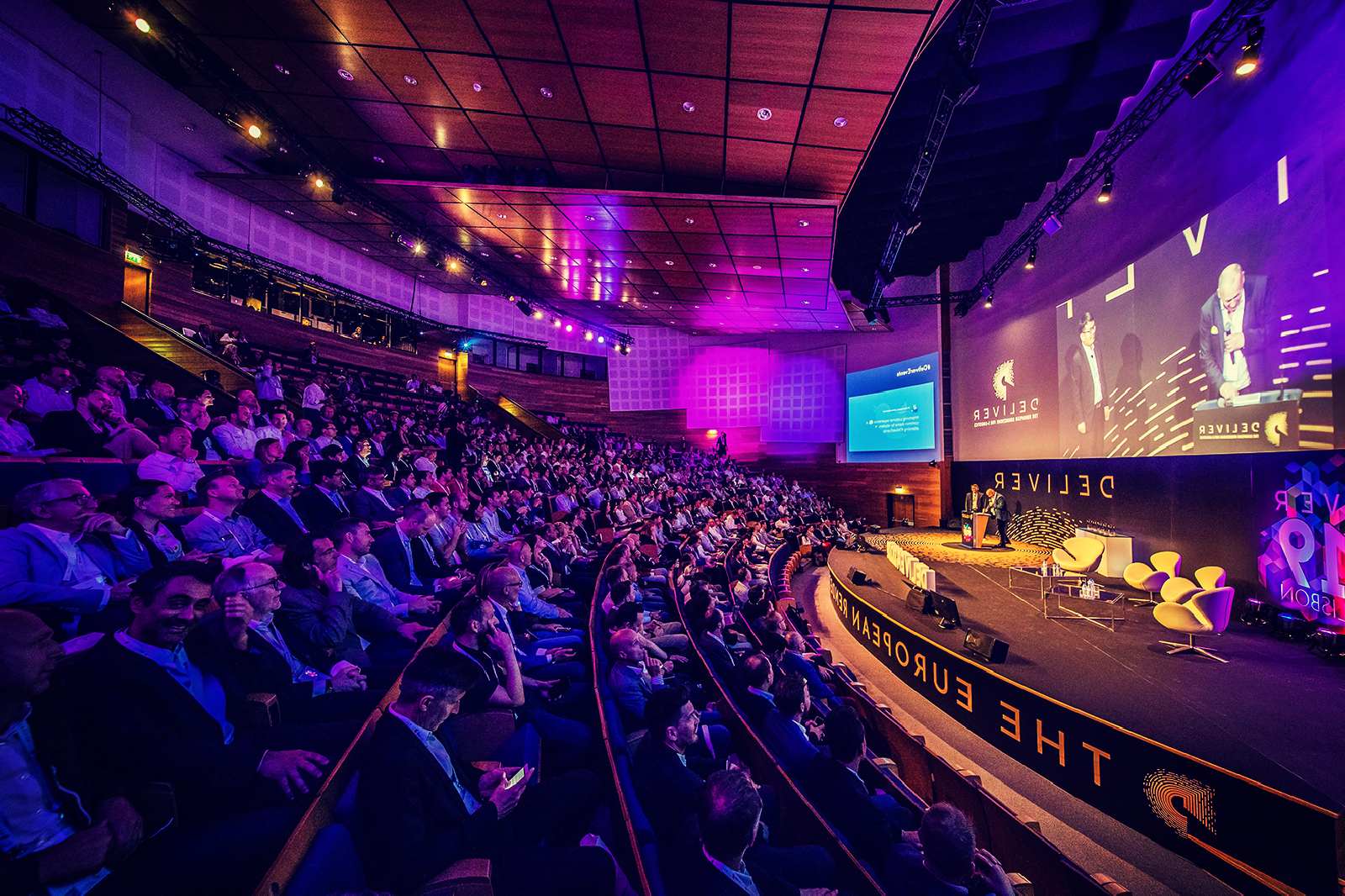
In this DELIVER Europe 2026 keynote conversation, Kate Hardcastle, Ariel Haroush and Marcus Tengler explored what that means for the future of the store.
The central message was clear: physical retail still matters, but its role has changed. Stores can no longer justify themselves only as places where products are displayed and purchased. They need to become experience platforms — spaces where customers discover, interact, learn, engage and connect with brands in ways that ecommerce cannot replicate.
Experience gives customers a reason to visit
One of the strongest themes in the discussion was the need to create value beyond product availability.
If a customer only wants to pick up a product, ecommerce can often solve that more efficiently. The store therefore needs to offer something additional: surprise, entertainment, service, storytelling, community or hands-on engagement.
MediaMarktSaturn’s approach reflects this shift. Stores are being designed with experience zones, brand areas and concept spaces that encourage customers to spend time in-store and engage with products in a more meaningful way.
This changes how retail performance should be understood. The store may influence a purchase that happens later through another channel. It may build awareness, create consideration, support a service interaction or strengthen the customer’s connection with the brand.
In an omnichannel environment, the store’s value cannot be measured only by what happens at the till.
Stores are becoming responsive platforms
Ariel Haroush described the future of the store as more cinematic, dynamic and responsive.
Traditional retail environments are relatively slow to change. Visual merchandising, fixtures, product displays and store layouts can take time to update. But customers increasingly expect the physical world to feel as fluid and engaging as the digital environments they use every day.
Future Stores is built around this idea: a physical space that can change more quickly, respond to brand campaigns, showcase new products and create a more engaging reason for customers to visit. Instead of treating stores as fixed environments, this model treats them as platforms that can evolve.
That has important implications for retailers and brands. Physical space can become more flexible, more measurable and more relevant to short-term campaigns, product launches and changing customer behaviour.
In-store media connects experience and commercial value
In-store media was another key theme.
Retail media is already well established online, but the store creates a different opportunity. Screens, interactive displays and digital touchpoints can support storytelling, education, comparison, promotion and data capture inside the physical environment.
For consumer electronics retailers in particular, this is a powerful opportunity. Stores already contain screens, devices and products that can become part of the media and engagement layer. But the value depends on execution. Technology needs to support the customer journey rather than interrupt it.
The strongest use cases are not about adding screens for the sake of it. They are about helping customers make better decisions, helping staff deliver better service and helping retailers connect content, product and demand more intelligently.
Physical interaction can become operational intelligence
The conversation also showed how stores can become valuable data points for supply chain and merchandising teams.
When customers physically interact with products, retailers can learn what attracts attention, what drives engagement and which variants may or may not need to be stocked. Ariel Haroush described examples where interactive product displays helped customers explore options while also giving retailers clearer insight into demand signals.
That matters because the store can generate intelligence that ecommerce alone cannot capture. A customer may pick up a product, compare finishes, test features or interact with a display without purchasing immediately. Those behaviours can still inform merchandising, stock planning and future product decisions.
For supply chain leaders, this creates a new opportunity: the store is not only a demand endpoint. It can become a live source of demand intelligence.
Execution remains the hard part
The opportunity is significant, but the operational challenge is real.
Marcus Tengler highlighted the gap between strategy and execution. If a customer arrives expecting a specific experience, product or campaign, an empty space or unavailable item can create disappointment. Retail media, store concepts and experiential zones all depend on operational reliability behind the scenes.
That means stock, promotions, store teams, supplier relationships, platform partners and logistics flows need to work together. As store environments become more dynamic, retail operations need to become more responsive too.
The store of the future therefore requires both creativity and discipline. It needs compelling customer experiences, but it also needs the operational backbone to deliver them consistently.
What this means for the DELIVER community
For retailers, the keynote highlighted a major shift in how physical space should be valued.
Stores are no longer simply sales channels. They can be media platforms, experience environments, data sources, service hubs and omnichannel accelerators. The challenge is to connect those roles into a coherent operating model.
For brands, the opportunity is to use physical retail as a more flexible storytelling and engagement channel. For supply chain and logistics leaders, the implication is that store operations will need to support faster change, more campaign-led activity and better integration between online and offline demand.
The future of retail will not be defined by physical versus digital. It will be defined by how well retailers combine both into experiences that feel relevant, responsive and commercially measurable.