
Why retail logistics needs more than click and collect
Retail complexity begins after checkout
Retailers have spent years optimising the online checkout journey. The customer can discover, compare and buy products with less friction than ever before.
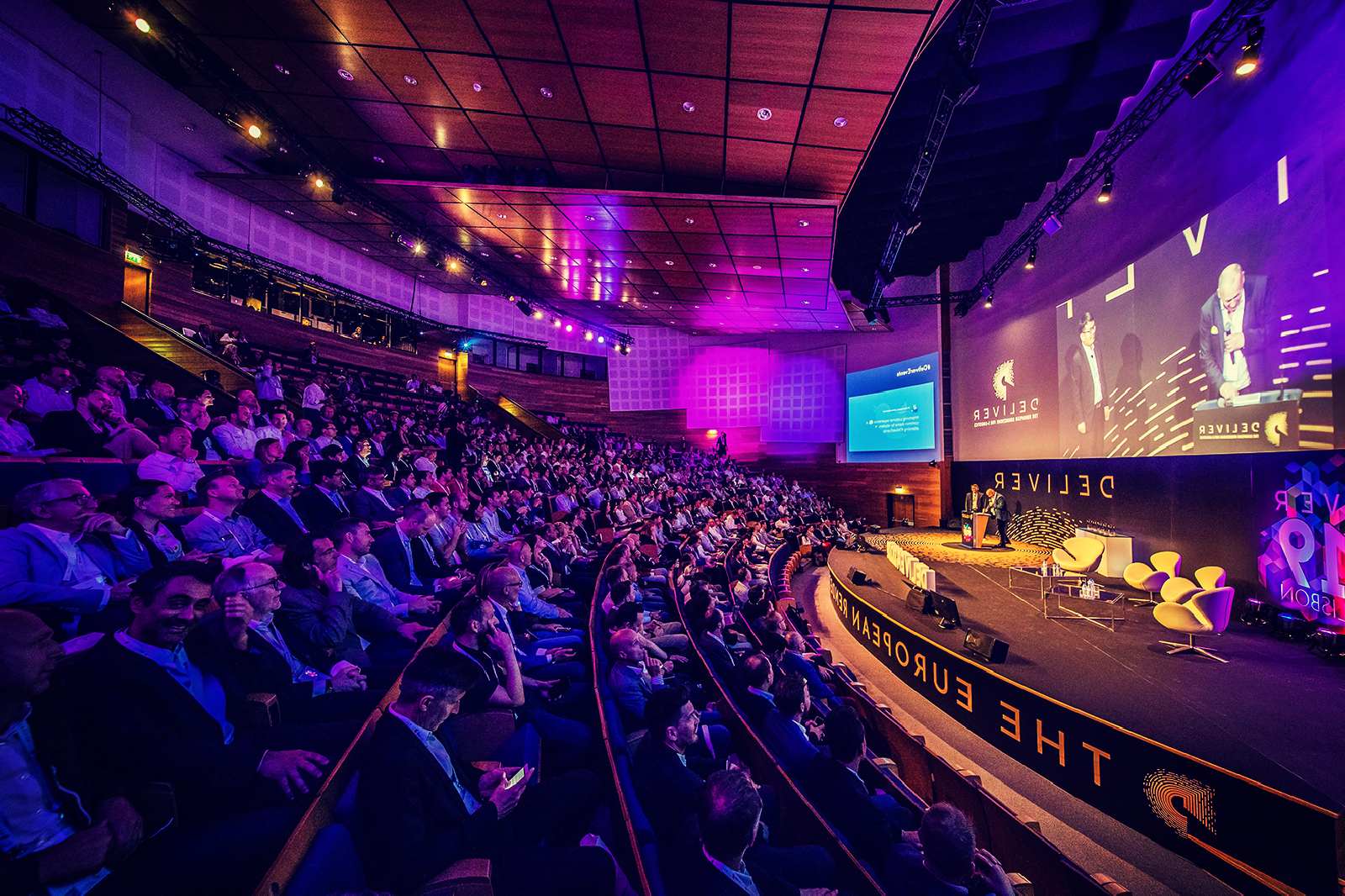
Mirko Woetzel’s session at DELIVER Europe 2026 focused on what happens next. After the purchase, the retailer still needs to manage delivery, failed delivery, returns, redistribution and, increasingly, resale or circular commerce.
That post-purchase complexity often sits outside the retailer’s direct control. Parcels move through carriers, lockers, pickup points and return flows, while customer experience can be shaped by infrastructure the retailer does not own or manage.
Products now circulate
The session highlighted a shift from one-way delivery to product circulation.
A product may be sold, delivered, returned, resold, transferred through a resale platform or moved again through another customer journey. This creates multiple logistics cycles from a single item.
For retailers, that changes the role of infrastructure. The challenge is no longer only to deliver the first order efficiently. It is to create systems that can support repeated movement, collection, return and redistribution without losing customer loyalty or operational visibility.
Stores are becoming logistics nodes
Stores are increasingly becoming part of the fulfilment network.
They can act as pickup points, return hubs, circulation points and local fulfilment centres. But to make that work efficiently, retailers need the right infrastructure around those locations. Manual handover alone may not be enough as parcel volumes, returns and customer expectations grow.
Lockers and autonomous hubs can help retailers manage flows without overloading store teams, while still giving customers a convenient way to collect or return products.
Locker density drives adoption
The session also emphasised the importance of density.
Click and collect only works properly when it is convenient. If customers need to travel too far to collect or return an item, the infrastructure becomes a barrier rather than a benefit. Locker networks become more powerful when they are distributed across streets, residential areas, offices, stores and local hubs.
This is where shared infrastructure becomes relevant. Retailers, carriers and locker operators may all benefit from networks that can serve multiple use cases rather than single-brand or single-carrier deployments.
What this means for the DELIVER community
For retailers, the opportunity is to treat last mile infrastructure as part of customer experience and loyalty.
For carriers and locker providers, the challenge is to create dense, reliable and interoperable networks that support delivery, returns and circulation. For ecommerce brands, the strategic question is how much control they want over the post-purchase journey.
The next stage of retail logistics will not be defined only by better websites or faster checkout. It will also depend on who controls the physical infrastructure that makes delivery, return and resale convenient for customers.