
Why upskilling supply chain talent starts with belonging
Transformation is a people challenge before it is a technology challenge
Retail and supply chain leaders are facing a new wave of operational transformation. AI, automation, new ERP systems, omnichannel complexity and network redesign are changing how teams work across stores, warehouses, factories, distribution centres and corporate functions.
Yet the central challenge remains human.
Technology may create the need for transformation, but people determine whether it succeeds. Teams need to understand why change is happening, how it affects them and whether they can trust the direction of travel. Without that trust, even the strongest programme design can lose momentum.
For the DELIVER Europe 2026 community, the message is clear: upskilling cannot be treated as a training exercise alone. It has to sit inside a wider culture of belonging, leadership and inclusion.
Belonging keeps teams engaged through uncertainty
Belonging is often discussed as a cultural value, but in supply chain environments it has direct operational consequences.
When people feel connected to their colleagues, their leaders and the purpose of the work, they are more likely to stay engaged even during difficult change. That matters in environments where disruption can affect service levels, customer experience and day-to-day execution.
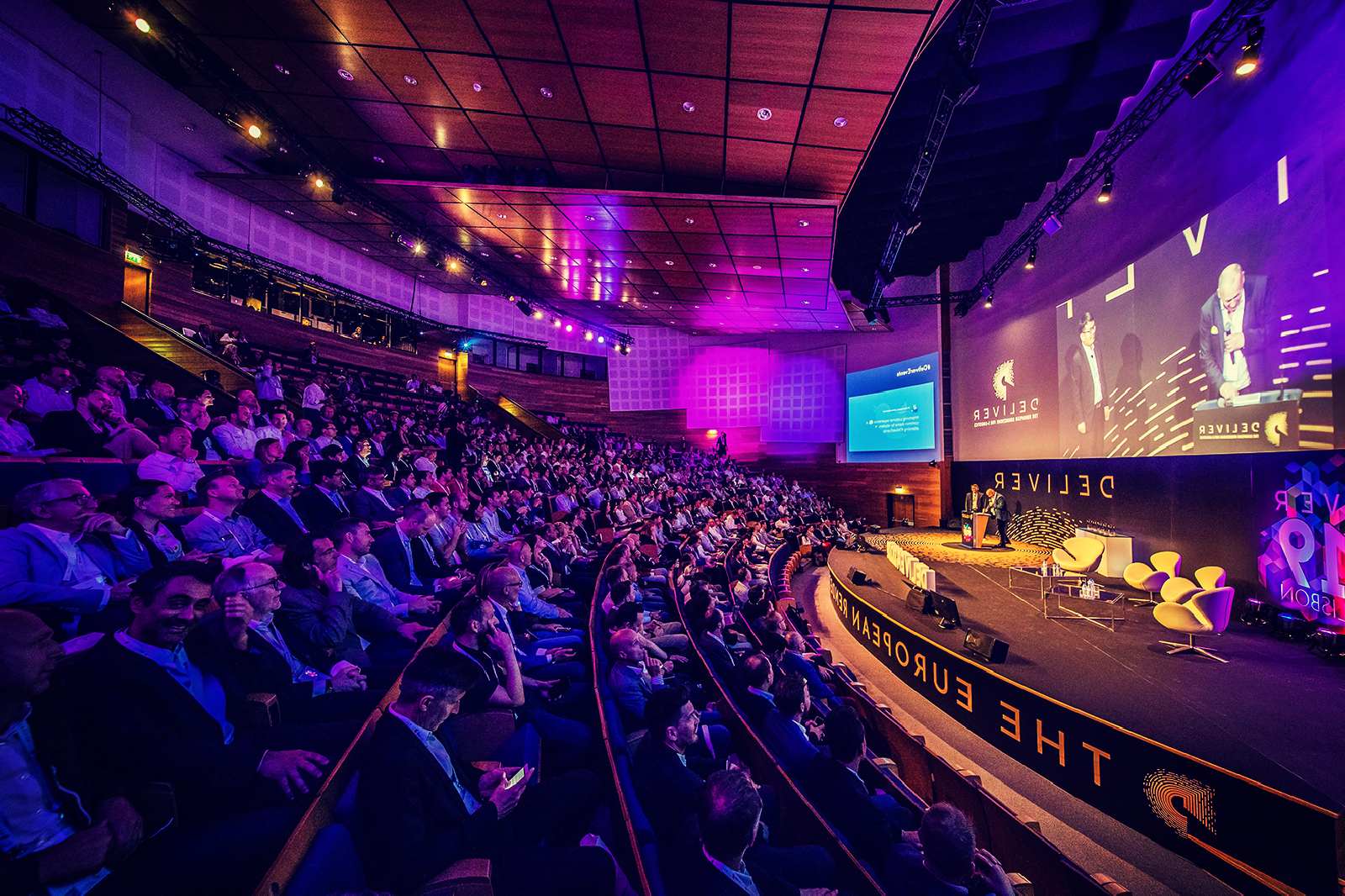
The panel explored how belonging shows up in practical moments: whether people feel their voice matters, whether leaders spend time close to the work, whether teams can ask difficult questions, and whether communication creates connection rather than distance.
This is especially important when organisations face challenging decisions such as site changes, restructuring or major process shifts. People may not like the decision, but they are more likely to trust the process when they feel respected, informed and involved.
Leadership behaviour sets the tone
The culture of belonging is shaped less by what leaders say on stage and more by how they behave in everyday moments.
Strong leaders create psychological safety. They invite quieter voices into the conversation. They listen to people close to the work. They respond to uncertainty honestly rather than hiding behind polished messages. They also recognise that people do not all move at the same speed when facing change.
This is critical in supply chain and logistics, where frontline teams often have the deepest understanding of operational reality. Leaders who stay close to those teams can make better decisions and build stronger engagement.
For retail and supply chain organisations, this means leadership development has to go beyond technical management. It must include empathy, communication, curiosity and the ability to create trust under pressure.
Upskilling for AI requires honesty and confidence-building
AI is changing the skills conversation across supply chain and retail. But it is also creating uncertainty.
Some teams are excited by the opportunity to remove repetitive work and unlock more creative problem-solving. Others are nervous about whether they will still have a role as tools become more capable.
The panel highlighted the importance of meeting people where they are. Upskilling for AI is not just about teaching tools. It is about helping teams understand what is changing, what is not yet clear, and where human capability will continue to matter.
Honesty is essential. Leaders cannot credibly claim that AI will change nothing. But they can help teams build curiosity, confidence and adaptability so they are better prepared for the roles and capabilities that emerge next.
People closest to the work must be involved early
One of the strongest themes from the discussion was the importance of involving people early in transformation.
Teams closest to the work understand the practical realities that programme teams can miss. They know where processes break down, where customers feel impact, where systems create friction and where new tools could genuinely help.
Early involvement also builds ownership. People are more likely to support change when they have helped shape it, rather than being asked to adopt a finished solution designed elsewhere.
For large-scale transformation programmes, this can accelerate adoption and reduce resistance. It also helps leaders avoid one of the most common failure points: designing change around people instead of with them.
Stakeholder relationships can speed up change
Major transformation rarely moves in a straight line. It requires alignment across leaders, teams, social partners, HR, operations, technology and frontline managers.
Strong stakeholder relationships make that process faster and more effective. When trust already exists, communication becomes more dynamic. Teams can test ideas, challenge assumptions and resolve issues without waiting for formal escalation points.
This is particularly important in complex supply chain organisations, where change often touches multiple sites, functions and geographies at once. The quality of relationships can determine whether transformation feels like a shared effort or a top-down mandate.
What this means for the DELIVER community
The future of retail and supply chain will require new skills, but it will also require stronger cultures.
AI, automation and digital transformation will continue to reshape work. But the organisations that adapt best will be those that invest in people with the same seriousness as they invest in systems.
That means building trust before crisis. It means involving frontline teams early. It means supporting managers as leaders, not just operators. It means helping people feel confident enough to learn, experiment and adapt.
For the DELIVER Europe 2026 community, the talent agenda is now a strategic supply chain agenda. The businesses that build belonging, capability and confidence into transformation will be better placed to move faster, retain talent and deliver change that lasts.