

Europe's Supply Chain Leaders Admit They Don't Trust Their Own Sustainability Data
)
AMSTERDAM, 03 September 2026 - Ask a European supply chain leader how their organisation is doing on sustainability, and most will tell you they're doing well. Ask them how confident they are in the data behind that answer, and the room goes quiet.
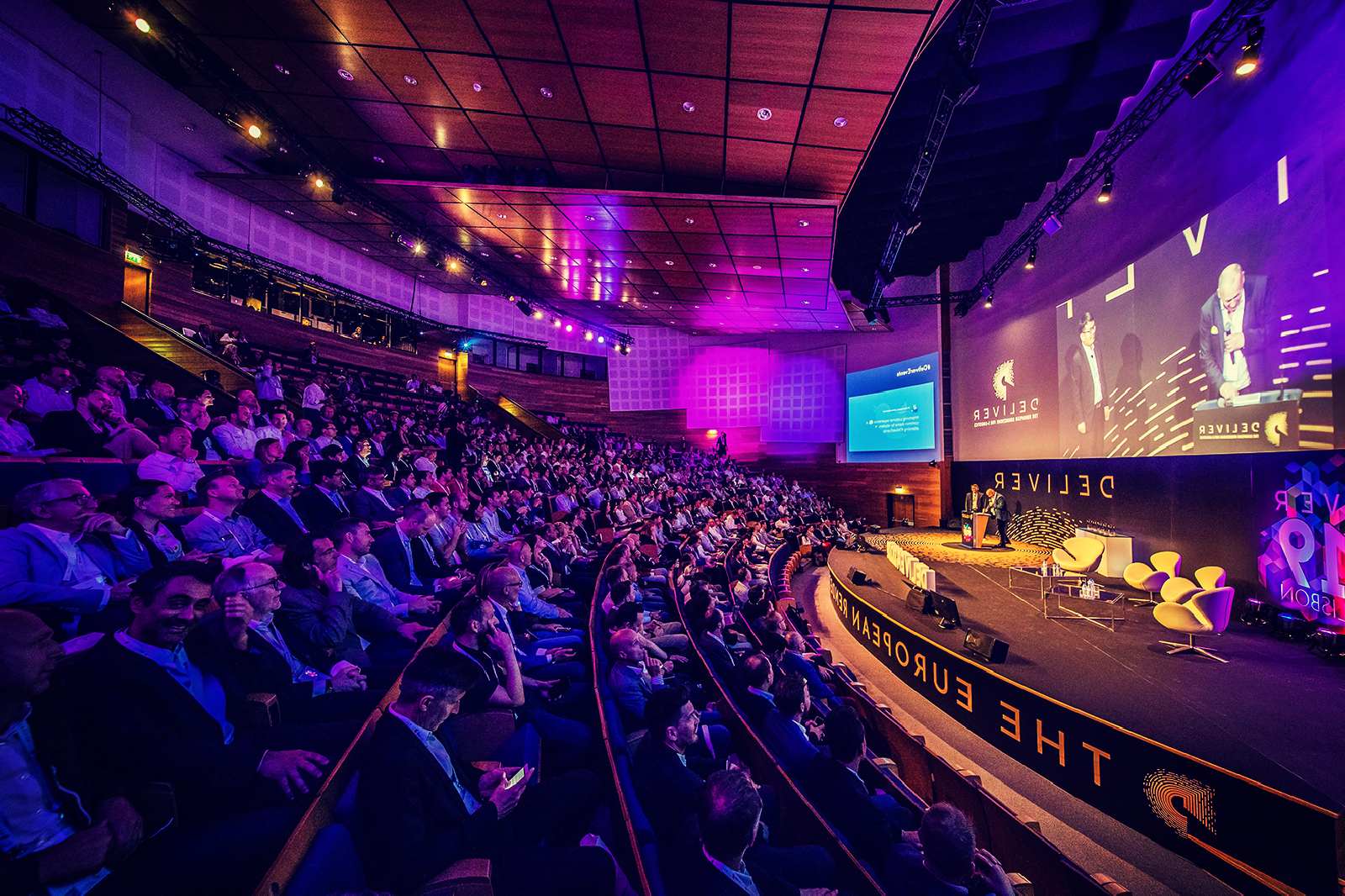
That was the moment that defined this year's DELIVER Sustainability Pulse, drawing candid views from senior supply chain, logistics and sustainability leaders across more than 20 countries, tested live at a Sustainability Focus Group session in Amsterdam. Fifty-six percent rated their organisation advanced or leading on the sustainability maturity curve. Asked how confident they were that their data was accurate and audit-ready, only 16% said yes without hesitation - more than half called themselves, at best, "somewhat confident."
"Even if the data isn't 100% reliable, what matters is the conversation you're driving around it," said panellist Henric van der Ent, Director of Supply Chain at PwC Nederland. Others were less forgiving: one audience member from New Balance countered that "if you can be confident in your data but it's wrong, then your reporting is wrong."
The business case is under similar pressure. 44% of leaders said justifying sustainability investment had become harder over the past year, against 32% who said easier, with cost and margin the number-one barrier (58%). But the panel's clearest message was that cost cuts both ways. "Cost and margin isn't just a barrier, it's an enabler," said Taimoor Hussain, Supply Chain Director at Unilever. "Our pallet load-fill is 99%, but volumetrically we're at 70%. We're carrying 30% air in the truck." That thinking is already paying off: respondents pointed to packaging and last-mile delivery as their most tangible progress, with one respondent reporting 208,000 tonnes of CO2 saved in 2025 through supply chain design alone.
Scope 3 remains the industry's toughest test - hardest to measure (29%), most cited weakness, and the top priority for the year ahead. "Once you capture that data, who takes accountability?" asked van der Ent. "If your tier-two supplier takes it, they lose business. If you take it, your numbers take a hit."
The panel's conclusion: sustainability can no longer sit with the ESG team alone. "It has to be part of the company's DNA," said Radharaman Jha, VP Supply Chain at Flaconi, a principle the panel argued should extend to AI's own energy footprint as it takes on a bigger role in the industry's efficiency drive.
The full findings are published in the DELIVER Sustainability Pulse 2026 report. DELIVER Europe will open its third annual Pulse Survey ahead of DELIVER Europe 2027.
About the Pulse Survey
Responses drawn from senior leaders across 20+ European countries, tested live at DELIVER Europe 2026, Amsterdam, 3 June 2026, with panellists Taimoor Hussain (Unilever), Radharaman Jha (Flaconi), Tatum Bross (Spring GDS) and Henric van der Ent (PwC Nederland), moderated by John Acton (Peer2Peer; former Board Member, DPD).
Media contact: Nikki Whyman, Marketing Director