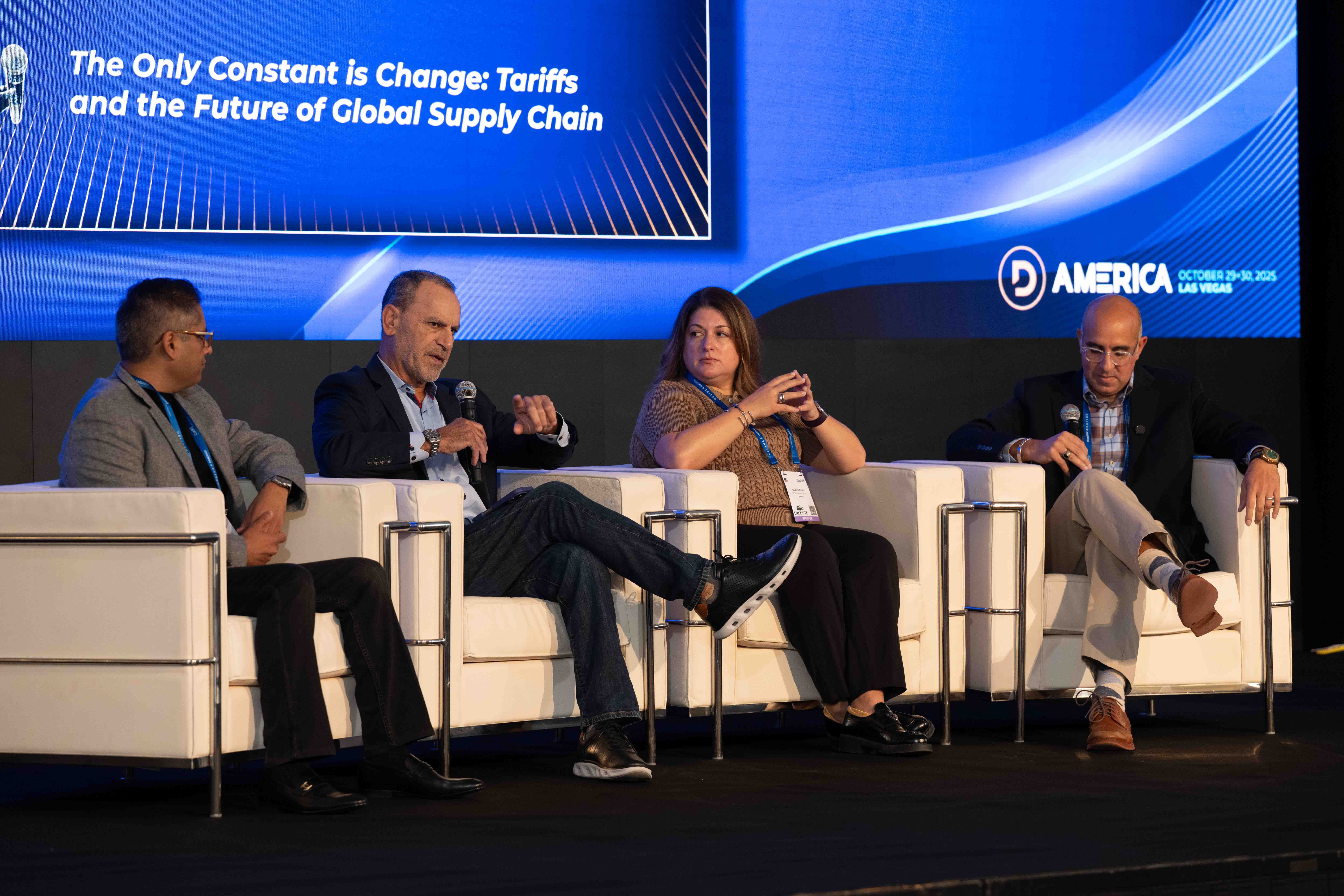
Consumers have never expected more from last mile delivery. Faster fulfillment, tighter delivery windows, frictionless returns, real-time visibility, and low-cost shipping have become baseline expectations rather than premium services. At the same time, retailers, carriers, logistics providers, and technology companies are investing billions of dollars into automation, AI-driven routing, robotics, autonomous vehicles, drones, and micro-fulfillment solutions in an attempt to meet these rising demands.
Yet despite rapid advances in technology, the last mile remains one of the most operationally difficult, labor-intensive, and expensive segments of the supply chain.
If technology is advancing so quickly, why isn’t the last mile getting easier?
Through real-world examples, operational insights, and strategic frameworks, the session examines how organizations must balance customer expectations, delivery economics, labor realities, operational variability, and automation investments to create sustainable competitive advantage.

)
)
)
)
)
)
)
)
)
)
)
)
)
)
)
)
)
)
)
)
)
)
)
)

)
)
)
)
)
)